Black Mold Removal for Your Home
Request an estimate from a local provider
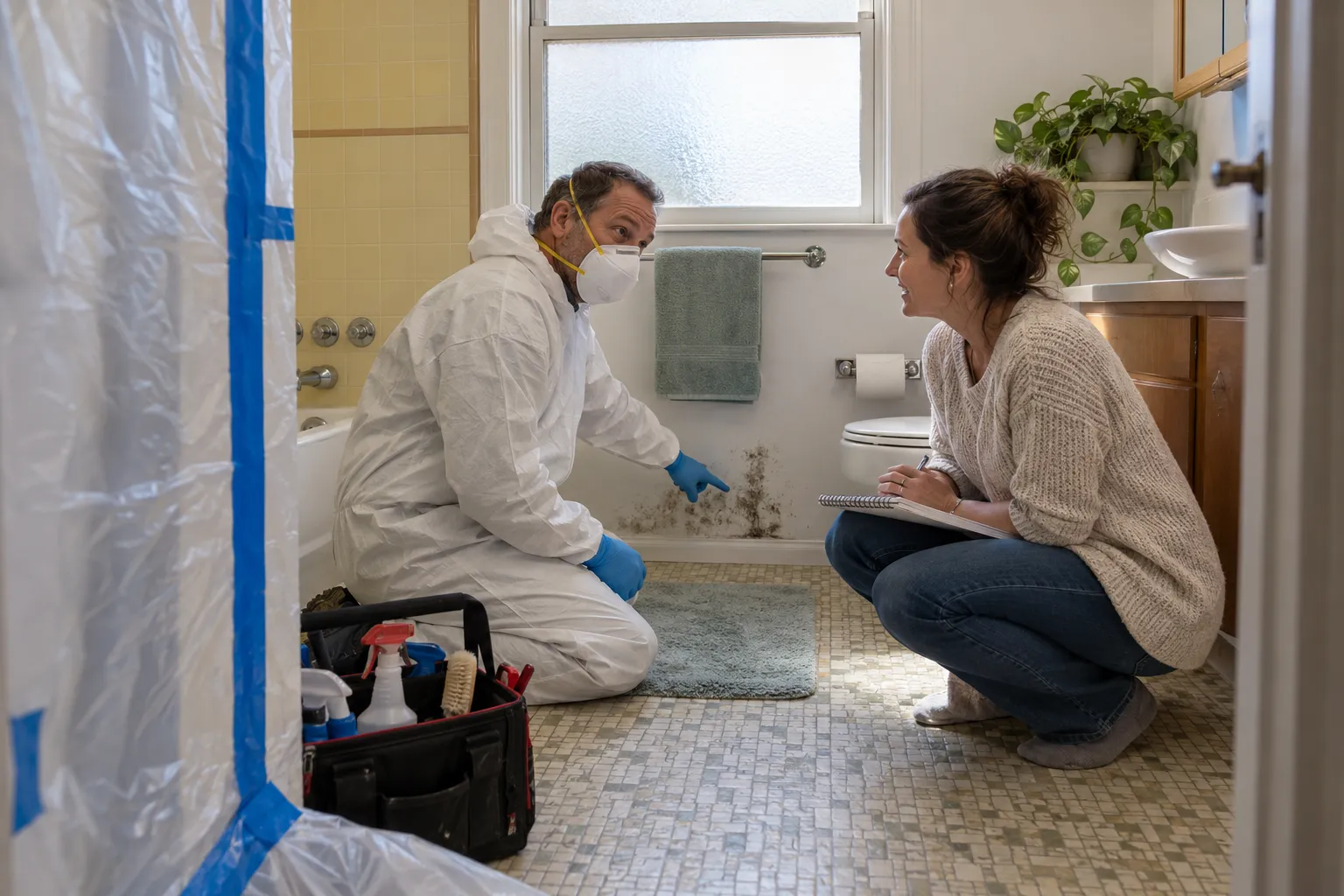
Black mold is a dark, greenish-black growth that feeds on damp materials like drywall, wood, and paper. It often starts small, in a corner or behind a sink, and it spreads quietly where moisture stays. Spotting it early usually keeps the repair smaller.
Hopedmarine Mold Help is a referral service. We do not do the work ourselves. We connect homeowners in American Canyon and the American Canyon area with independent providers in our network who handle black mold removal. This page explains the early signs, how the process works, and what to ask, so your first step feels clear and calm.
Found Dark Spots? Start Here
You see dark patches on a wall or ceiling and your stomach drops. Take a breath. Most of the time, the next step is simply to look closer and get a professional opinion, not to panic.
Think of it like a small leak under a sink. It is easier to deal with when it is a drip than when it is a flood. Mold works the same way, so acting early matters.
First Things to Do Today
Keep your hands off the spot. Scrubbing or sanding can send spores into the air and spread them to clean rooms. Close the door of that room if you can, and turn off fans that blow air across it.
Take a few photos with the date on your phone. Note where it is, how big it is, and when you first noticed it. A provider will find these notes useful.
What Is Black Mold, Really?
Black mold is a common name for a dark mold that likes wet paper, wood, and drywall. Not every dark spot is this type, and color alone cannot tell you. Only testing can say what you truly have.
Picture a houseplant. It needs water and a place to settle. Mold needs the same things, except the "soil" is your wall and the "water" is a hidden leak or steady humidity.
Early Signs a Small Problem Is Growing
A musty smell is often the first hint, before you see anything. Other early signs include:
- Paint that bubbles, peels, or looks stained
- Dark freckles along grout, window frames, or baseboards
- Walls that feel cool, soft, or damp to the touch
- Allergy-like symptoms that ease when you leave the house
If you notice two or more of these, a look from a local provider is a sensible move. Searching for mold inspection near me is a common way to start.
Where Black Mold Likes to Hide
It favors places that stay damp and still. Under sinks, around tubs, behind washers, in attics, and in crawl spaces are all common spots.
In many older bungalows and 1950s to 1980s tract homes, small plumbing leaks or poor venting go unnoticed for months. Stucco homes can also hold moisture behind the wall surface after winter rain events. Dry seasons can hide a problem, because the damp spot may only show up when the weather turns.
Why Bleach Usually Isn't Enough
Bleach is like mowing a weed without pulling the root. It may lighten the surface, but on porous materials like drywall and wood, the growth reaches below what you can see.
The moisture is also still there. Without fixing it, the mold tends to come back, sometimes in the same spot within weeks.
How Black Mold Removal Works
A good job follows a clear order. A local provider typically starts by checking the area and finding where the moisture comes from.
Next, they section off the work zone with plastic sheeting. Think of it like painting a room: you tape off what you want to protect first. Air machines with HEPA filters then help keep spores from drifting into the rest of the house.
Affected materials that cannot be cleaned, such as soaked drywall, are removed and bagged. Surfaces that can be saved are cleaned with special tools. Finally, the area is dried and checked before anything is rebuilt.
Fixing What Caused It
Removing mold without fixing the water source is like emptying a bathtub with the faucet still running. Ask the provider to point out the cause, whether it is a pipe, a roof leak, a poor vent, or high humidity.
Some repairs are done by the same provider, and others need a plumber or roofer. A written plan helps you see which is which. Providers can often help document damage for a claim, and some policies may cover sudden damage, so check your policy.
What About Your Belongings?
Hard items like glass, metal, and sealed plastic usually clean up well. Soft items such as upholstery, rugs, and stuffed toys are harder, since mold works its way into the fibers.
Papers and photos need special care. Ask the provider what can be cleaned on site and what is better replaced. Do not move moldy items around the house yourself.
Testing and Proof That the Job Worked
Some homeowners want certified mold testing before or after the work. This can confirm the type of mold and show that air levels have settled. Ask whether the provider offers it or works with a separate tester, since keeping testing independent from removal can add peace of mind.
Questions to Ask the Provider
A first-timer does not need to know the trade. A short list is enough:
- Will you give me a written scope and quote?
- How will you contain the work area?
- How will you find and report the moisture source?
- What credentials and insurance do you hold?
- How will we confirm the job is finished?
A solid provider will answer plainly and not rush you.
Residential Mold Removal and What Comes Next
Once the work is done, keep humidity in check, run bath fans, and fix drips quickly. Peek at the usual hiding spots every few months. Catch it small, and you will rarely face a big repair.
What's Included
Careful Containment of Work Area
Plastic barriers and filtered air machines help keep spores out of clean rooms.
Removal of Damaged Materials
Soaked drywall, insulation, or wood that cannot be saved is removed and bagged with care.
Surface Cleaning
Surfaces that can be saved are cleaned and dried using specialized tools.
Moisture Source Review
The provider looks for the leak or humidity cause and explains what repairs may be needed.
What Black Mold Removal Typically Costs
Prices vary by size, materials, and where the mold is. These are typical U.S. ranges only. Always ask for a written quote that lists what is and is not included.
| Item | Typical range | Notes |
|---|---|---|
| Small area (under 10 sq ft) | $500 – $1,500 | Often a bathroom corner or under a sink |
| Single room | $1,500 – $4,000 | Higher if drywall must be replaced |
| Several rooms or a full floor | $4,000 – $10,000+ | Depends on spread and access |
| Attic or crawl space | $1,500 – $6,000 | Tight access can raise labor time |
| Clearance testing after removal | $300 – $800 | Usually separate from removal work |
| Fixing the moisture source | $200 – $5,000+ | Ranges from a small pipe fix to roof work |
How It Works
Share What You See
Tell us where the dark spots are, how large they look, and any smells or leaks you noticed.
Get Matched Locally
Hopedmarine Mold Help connects you with an independent provider in our network serving American Canyon.
Review the Written Plan
The provider looks at the area and gives you a scope and quote.
Removal and Final Check
Work is done, the area is dried, and the provider confirms it is ready for repairs.
Why Call Hopedmarine Mold Help
Plain-Word Explanations
Providers in our network explain each step in simple terms, so nothing feels confusing.
Local Providers
Independent providers near American Canyon know the homes and weather in the American Canyon area, from older bungalows to stucco ranches.
Written Quotes
You can compare scope and pricing on paper before agreeing to any work.
Easy Start
Send a request for an estimate and a local provider can follow up with next steps.
Other Services
Need black mold removal services in American Canyon?
Seeing a stain, smelling something musty, or just unsure? Send a request and a local provider in our network will follow up with next steps.
No obligationBlack Mold Removal Services FAQ
Is black mold dangerous in my house?
It can irritate eyes, skin, and lungs, especially for kids, older adults, and people with asthma or allergies. Not every dark spot is harmful, though. Testing and a provider's look can tell you what you have and what to do.
Can I remove black mold myself with bleach?
Bleach may lighten a surface stain, but it rarely reaches mold growing inside drywall or wood, and it does not fix the damp cause. Larger patches are safer to leave to a trained local provider.
How much does black mold removal cost?
Typical U.S. costs run from about $500 for a small spot to $10,000 or more for large spread. Size, materials, and access all matter, so ask for a written quote before work starts.
Reach a local provider
Seeing a stain, smelling something musty, or just unsure? Send a request and a local provider in our network will follow up with next steps.
No obligation